Exterior wall cladding plays an important role in the appearance and protection of a building. From contemporary residential properties to commercial developments, the right cladding can transform an ordinary façade into a more attractive and distinctive exterior.
With different materials, colours and finishes available, choosing suitable exterior wall cladding requires careful consideration. Factors such as appearance, weather exposure, maintenance, installation requirements and project budget can all influence the final decision.
In this guide, we explore popular exterior wall cladding materials, their finishes, key considerations and modern design ideas to help homeowners, contractors and trade buyers make informed choices.
First, let’s look at what exterior wall cladding is and why it is used in modern buildings.
Exterior wall cladding is a protective and decorative layer fitted to the outside of a building. It is installed over the underlying wall structure to create a finished façade while helping shield the building from external weather conditions.
Depending on the material and installation system, cladding can also contribute to insulation, moisture management and the overall durability of the building envelope. However, these benefits vary between products and depend on correct installation.
Exterior cladding serves several purposes in residential and commercial construction:
Exterior wall cladding is used across different building types, including houses, apartment developments, offices, retail spaces and commercial properties. It can cover an entire façade or highlight specific architectural features, such as entrance areas, extensions and feature walls.
The right solution depends on the building structure, intended application, local regulations and the performance requirements of the project.
Exterior wall cladding is available in several materials, each offering different visual characteristics, maintenance requirements and installation considerations. Understanding these options can help you select a suitable finish for your building project.
Timber cladding is a popular choice for buildings that need a natural, warm appearance. Available in different wood species, profiles and finishes, it can complement both traditional properties and contemporary architectural designs.
However, timber may require regular treatment, sealing or staining to maintain its appearance and protect it from outdoor exposure. Maintenance requirements depend on the wood species, finish and surrounding conditions.
uPVC cladding offers a practical alternative to traditional timber finishes. It is available in different colours and styles, including smooth and wood-effect finishes, making it suitable for various residential and commercial applications.
Its lightweight construction can make handling and installation more straightforward. However, buyers should check the product’s UV resistance, fire classification, fixing requirements and suitability for the intended exterior application.
Metal cladding, commonly made from aluminium or steel, is often used in contemporary commercial and residential architecture. Its clean lines and modern appearance make it suitable for minimalist façades and large building surfaces.
Different coatings and finishes can provide a range of colours and surface effects. Material grade, corrosion resistance, fixing systems and exposure conditions should be considered before choosing metal cladding.
Fibre cement cladding is manufactured using a cement-based composite material. It is available in different board sizes, colours and textures, including finishes that resemble timber or other natural materials.
It is used in residential and commercial projects where a durable external finish is required. Installation may involve specialist cutting, handling and fixing methods, so manufacturer guidance should always be followed.
Stone and brick cladding provide a traditional appearance that can add texture and character to building façades. Natural stone offers variations in colour and pattern, while brick slips can create the appearance of traditional brickwork without using full-sized bricks.
These finishes can suit feature walls, entrances and complete exterior façades. Weight, substrate suitability, fixing methods and installation costs should be assessed as part of the project planning process.
Each material has different requirements, so compare product specifications and intended applications before making a final selection.
The finish of exterior wall cladding has a major influence on a building’s overall appearance. Even when using the same material, different textures, colours and surface treatments can create completely different architectural styles.
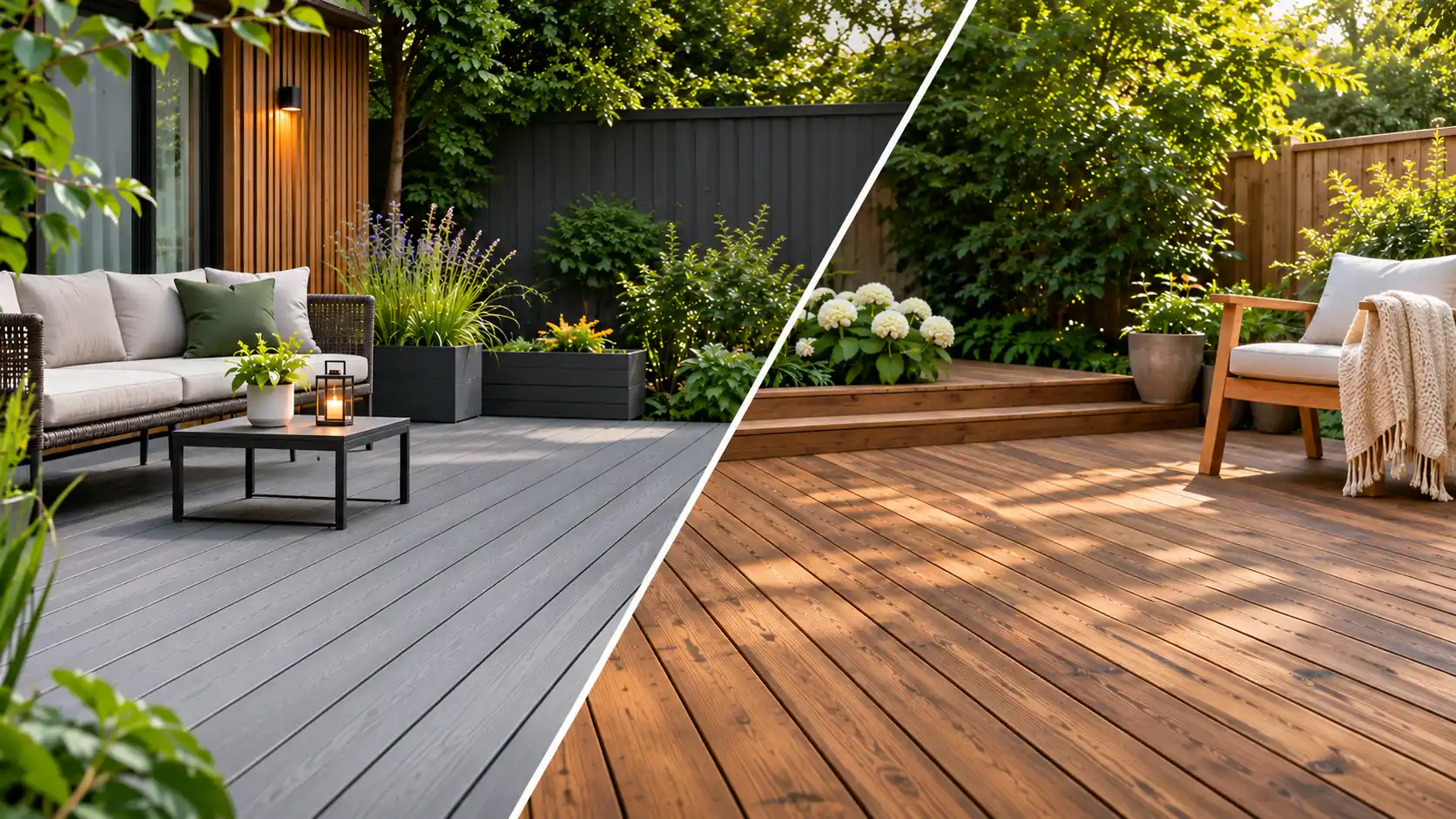
Wood-effect cladding offers the warm appearance of natural timber, with finishes inspired by different wood grains and shades. It can complement modern homes, garden buildings and commercial properties without necessarily requiring the same maintenance as natural timber.
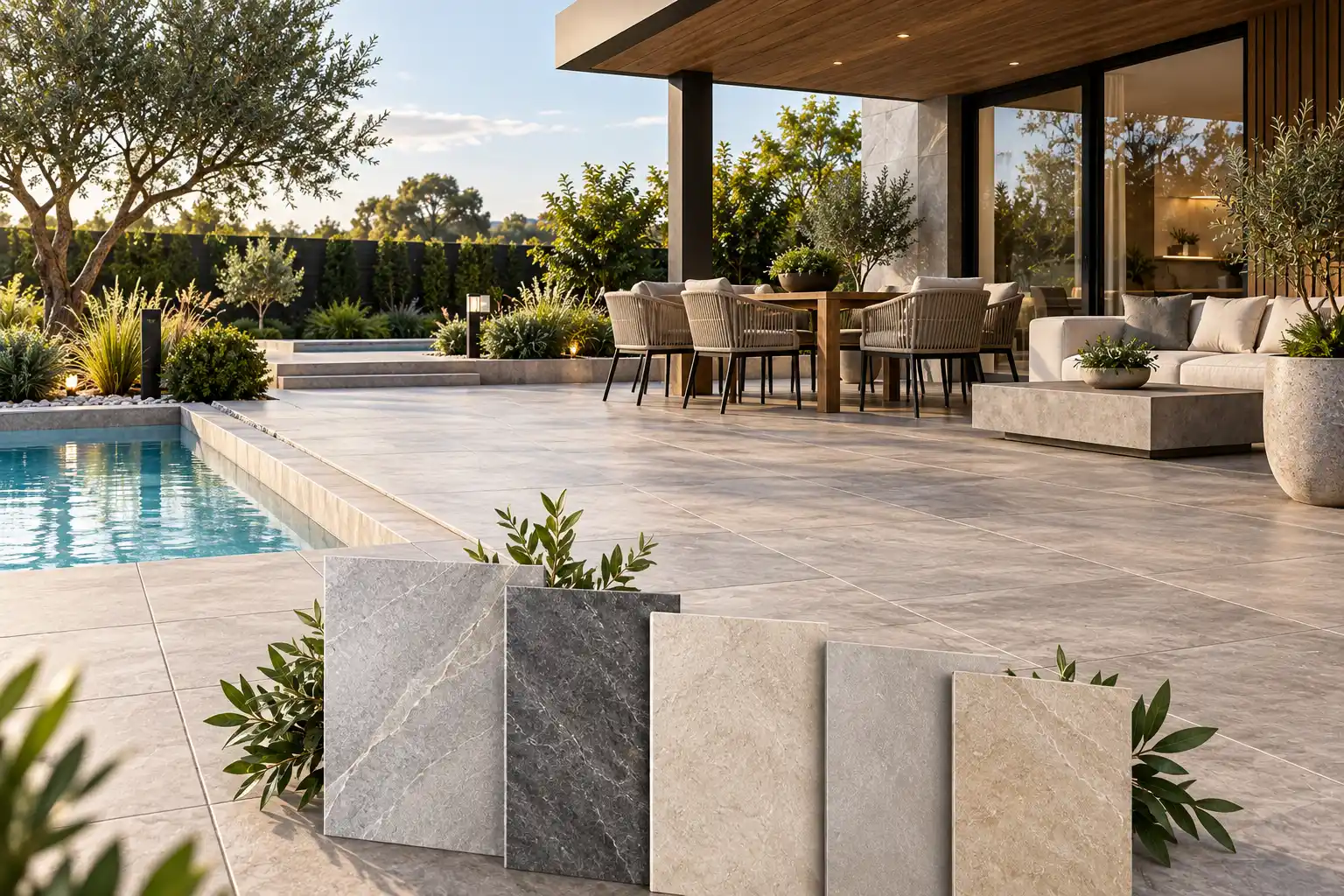
Stone-effect cladding creates a textured appearance inspired by natural stone. It can be used to add visual interest to exterior feature walls, entrances and selected sections of a building façade.
Smooth cladding panels are suitable for modern architectural designs that favour clean lines and simple surfaces. Neutral colours such as grey, white, black and beige can create a minimalist exterior, particularly when combined with large windows and contrasting materials.
Textured and ribbed cladding introduces depth and visual variation to exterior walls. Vertical or horizontal profiles can also influence how a building’s proportions appear, making these finishes useful for creating distinctive architectural features.
When comparing exterior wall cladding finishes, consider the building’s architectural style, surrounding environment and maintenance requirements. Check how the surface performs under outdoor exposure and whether the finish is suitable for the intended application.
Choosing a finish that complements the building’s windows, roofing and surrounding materials can help create a more balanced exterior design.
Exterior wall cladding offers more than an attractive finish. When the right material and installation system are selected, it can improve the appearance of a building while providing an additional layer of protection against outdoor conditions.
Cladding can transform an existing façade with modern colours, textures and finishes. Whether you prefer a natural timber look, a stone-effect surface or contemporary panels, there are options to complement different architectural styles.
Suitable exterior cladding systems can help protect underlying wall structures from direct exposure to rain, wind and sunlight. Their effectiveness depends on the material, detailing, drainage and quality of installation.
Different cladding materials can be combined to create contrasting sections, feature walls and distinctive exterior designs. This allows architects, contractors and homeowners to customise the appearance of a property.
Some cladding materials require less frequent maintenance than traditional painted exterior surfaces or untreated timber. However, cleaning and upkeep requirements vary depending on the product and environmental exposure.
Certain cladding systems can be installed as part of an external wall insulation solution. When correctly designed, the complete system may help improve thermal performance. Cladding alone should not be assumed to provide significant insulation unless its specifications confirm this.
Exterior wall cladding can be used in residential homes, offices, retail buildings and other commercial developments. The material and fixing system should always be selected according to the building structure and intended application.
The right cladding design can transform a building’s exterior and create a distinctive architectural style. By combining different materials, colours and textures, homeowners and designers can create façades that complement both contemporary and traditional properties.
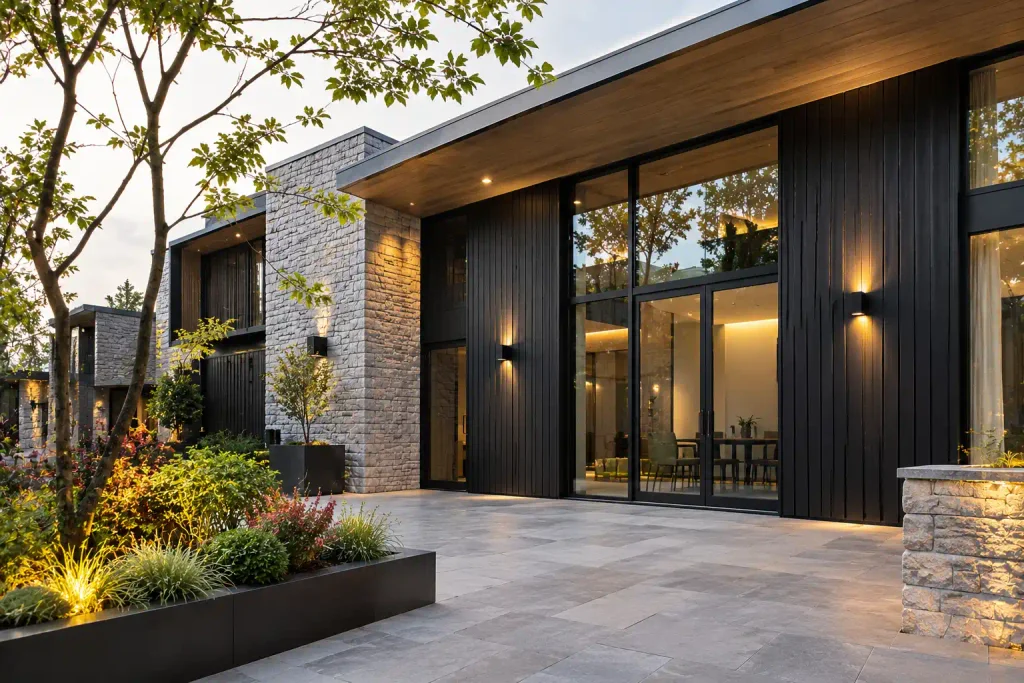
Minimalist exterior designs use clean lines, simple surfaces and neutral colours. Smooth cladding panels in shades of grey, white, black and beige can create a sophisticated appearance. Large windows and simple architectural details help complete the look.
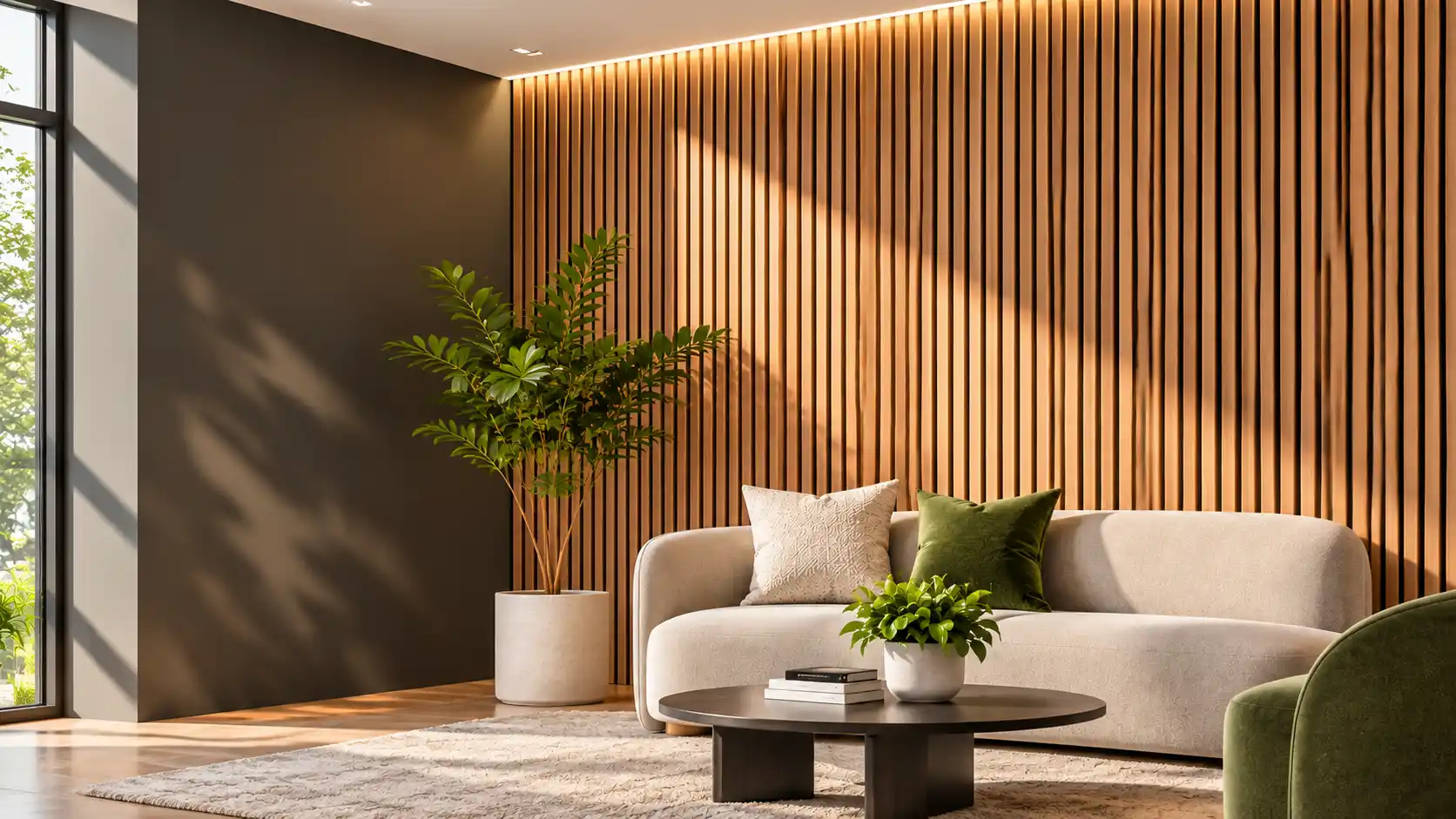
Timber-effect cladding introduces warmth and natural-looking texture to modern buildings. It can be used around entrances, upper floors or selected sections of a façade to create contrast against stone, brick or smooth exterior finishes.
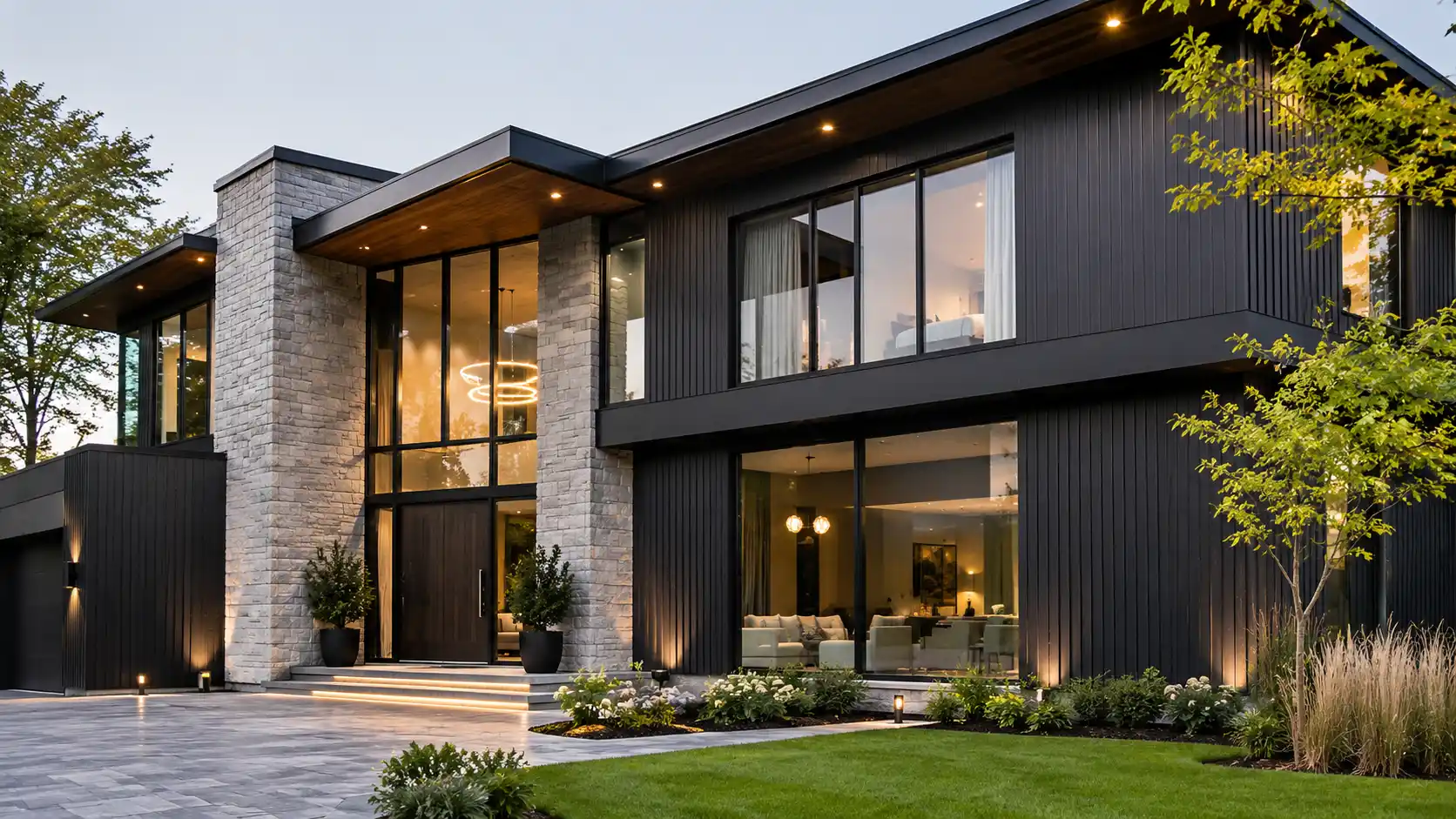
Combining different cladding materials can add depth and visual interest to a building. For example, timber-effect panels can be paired with stone finishes or dark metal cladding to create a balanced contrast between natural and contemporary elements.
The direction of cladding panels can influence the overall appearance of a building. Vertical installations can emphasise height, while horizontal arrangements can create a wider visual effect. The final layout should complement the building’s proportions and the manufacturer’s installation requirements.
Commercial buildings can benefit from cladding designs that reflect their brand identity and architectural style. Metal panels, fibre cement boards and other suitable exterior systems can create professional-looking façades for offices, retail spaces and modern developments.
When planning an exterior design, consider how colours, materials and panel layouts work together. A consistent design approach can help create an attractive façade without making the building look visually overcrowded.
Correct installation is essential for the appearance, stability and long-term performance of exterior wall cladding. Before starting a project, assess the existing wall structure, prepare the surface and select an installation method that suits the chosen material.
Check the existing wall for cracks, loose materials, moisture problems and structural damage. Any underlying issues should be addressed before installing cladding. The wall must be suitable for the weight and fixing requirements of the selected system.
Remove loose dirt, debris and any materials that could interfere with installation. Depending on the cladding system, additional preparation may include levelling the surface, repairing damaged areas or installing a suitable supporting framework.
Different cladding materials require different fixing methods. Some systems use mechanical fasteners, while others require specialist brackets, clips or adhesives. Always follow the manufacturer’s installation instructions and use compatible accessories.
Some exterior cladding systems require a ventilated cavity behind the panels to help manage moisture and support airflow. Appropriate drainage and ventilation details should be included in the design to reduce the risk of trapped moisture.
Accurate alignment helps create a consistent and professional-looking exterior. Follow the specified joint spacing, expansion gaps and fixing positions, as these requirements can vary between materials and products.
Complex façades, multi-storey buildings and specialist cladding systems may require experienced installers. Professional installation can help ensure that the supporting structure, fixings, weatherproofing and finishing details meet the system requirements.
Before installation, review the product documentation and check applicable UK building regulations and fire-safety requirements. Cladding suitability should be assessed for the specific building and application.
Regular maintenance helps preserve the appearance and condition of exterior wall cladding. Although maintenance requirements vary between materials, routine inspections and appropriate cleaning can help identify potential problems before they become more serious.
Remove dust, dirt, leaves and other surface debris using cleaning methods recommended by the manufacturer. Some materials can be cleaned with water and a soft brush, while others may require specific cleaning products.
Check panels for cracks, loose fixings, dents, surface damage and signs of moisture. Pay particular attention to joints, corners and areas around windows and doors where water may enter if the detailing is damaged.
Natural timber may require periodic staining, sealing or protective treatment to maintain its appearance. The frequency depends on the wood species, existing finish and level of exposure to sunlight and moisture.
Inspect visible joints, fasteners and supporting components for signs of movement, corrosion or deterioration. Any damaged components should be assessed and repaired using compatible materials and the manufacturer’s guidance.
Keep drainage openings and ventilation gaps clear where the cladding system includes them. Remove accumulated debris and investigate persistent damp patches, staining or water ingress rather than simply covering the affected area.
Every cladding material has different care requirements. Follow the manufacturer’s recommendations for cleaning, inspections and repairs to avoid damaging the surface or affecting product warranties.
A simple maintenance routine can help keep an exterior façade looking presentable while supporting the intended performance of the cladding system.
Choosing and installing exterior wall cladding requires careful planning. Overlooking important details can affect the appearance, performance and maintenance of the finished façade. Here are some common mistakes to avoid when planning a cladding project.
A visually attractive finish does not automatically make a product suitable for every exterior application. Consider weather resistance, durability, fire classification and manufacturer specifications before selecting a material.
Installing cladding over damaged or unsuitable wall surfaces can create problems later. Inspect the existing structure and address cracks, moisture issues and loose materials before beginning installation.
Inadequate ventilation or drainage can contribute to moisture build-up behind certain cladding systems. Follow the specified cavity, drainage and weatherproofing requirements to help manage water effectively.
Not all fixings, brackets and adhesives are suitable for every cladding material. Using incompatible components can affect panel stability and installation quality. Always use the recommended accessories for the selected system.
Some materials require regular cleaning, protective treatments or occasional repairs. Comparing only the initial purchase price can lead to an unrealistic project budget. Consider maintenance requirements alongside the upfront cost.
Exterior cladding must meet the requirements relevant to the building type, height and intended application. Check applicable building regulations, fire-safety standards and product documentation before purchasing or installing a cladding system.
Avoiding these mistakes can make the selection and installation process more straightforward. Careful planning helps ensure the chosen cladding suits the building and its long-term requirements.
The best material depends on the building, budget, weather exposure and desired appearance. Timber, uPVC, metal, fibre cement, stone and brick cladding all offer different characteristics and installation requirements.
Some cladding materials offer water-resistant properties, but no cladding system should automatically be considered completely waterproof. Correct installation, joint detailing, drainage and weatherproofing are essential for managing moisture.
Some cladding systems can be combined with external insulation to improve a building’s thermal performance. However, decorative cladding alone does not necessarily provide significant insulation. Check the complete system specifications before purchasing.
The lifespan depends on the material, product quality, installation and maintenance. Environmental exposure can also affect how well the cladding performs over time. Always review manufacturer warranties and expected service-life information.
In many cases, cladding can be installed over an existing wall using a suitable fixing or support system. However, the wall must be inspected first to confirm its condition, structural suitability and ability to support the selected cladding.
Yes, although maintenance requirements vary by material. Most systems benefit from routine cleaning and inspections, while natural timber may also require periodic staining or protective treatment.
Yes. Exterior cladding is widely used in commercial developments, offices and retail properties. The selected system must meet the relevant building, fire-safety and performance requirements for the specific project.
Exterior wall cladding offers different ways to improve a building’s appearance while providing an additional external layer. From natural timber and stone finishes to modern metal, uPVC and fibre cement systems, each material has its own advantages and considerations.
Before making a decision, compare material specifications, weather resistance, maintenance requirements, installation methods and overall project costs. The right choice should complement the building’s design while meeting its practical requirements.
At GretaGrove, explore a range of building and interior finishing solutions to support your next renovation or construction project.