Choosing the right outdoor tiles in the UK means considering more than colour and appearance. Patio and garden surfaces must suit local weather conditions, expected foot traffic, drainage requirements and the intended installation area.
For trade buyers, landscapers and contractors, selecting suitable outdoor tiles can help create attractive, practical spaces for residential and commercial projects. This guide explains what to consider when comparing outdoor tiles, from surface finishes and slip resistance to installation and maintenance.
First, let’s look at what outdoor tiles are and where they can be used.
Outdoor tiles are surface coverings designed for exterior spaces such as patios, garden seating areas, terraces and pathways. They are available in different colours, textures and finishes to suit a range of landscaping styles.
For UK projects, selecting tiles specifically rated for outdoor use is essential. Products must suit the expected weather exposure, installation method and conditions of the area.
Outdoor tiles can be used for patios, garden entertainment areas, balconies and selected commercial landscapes. However, suitability depends on the product specification, substrate and installation requirements.
Key considerations include frost resistance, water absorption, slip resistance and durability. Surface texture and drainage are also important, particularly in areas exposed to rain.
Before ordering, check the manufacturer’s specifications to confirm that the tiles are suitable for the intended outdoor application.
Outdoor tiles are available in different materials and finishes. The right choice depends on the project, weather exposure, appearance and installation requirements.
Outdoor porcelain tiles can be a suitable option for patios and garden areas when specifically rated for exterior use. Check water absorption, frost resistance and slip performance before selecting a product.
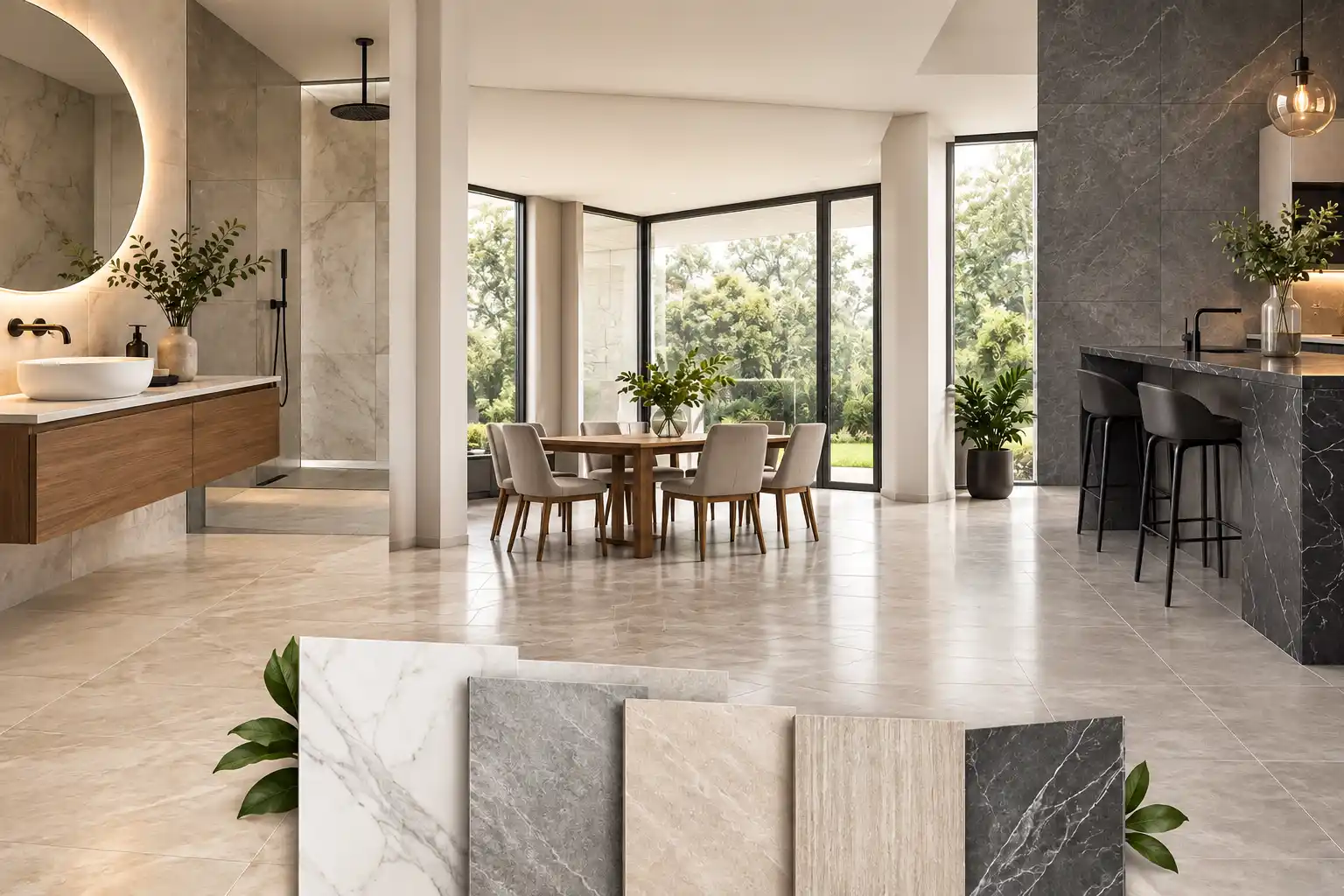
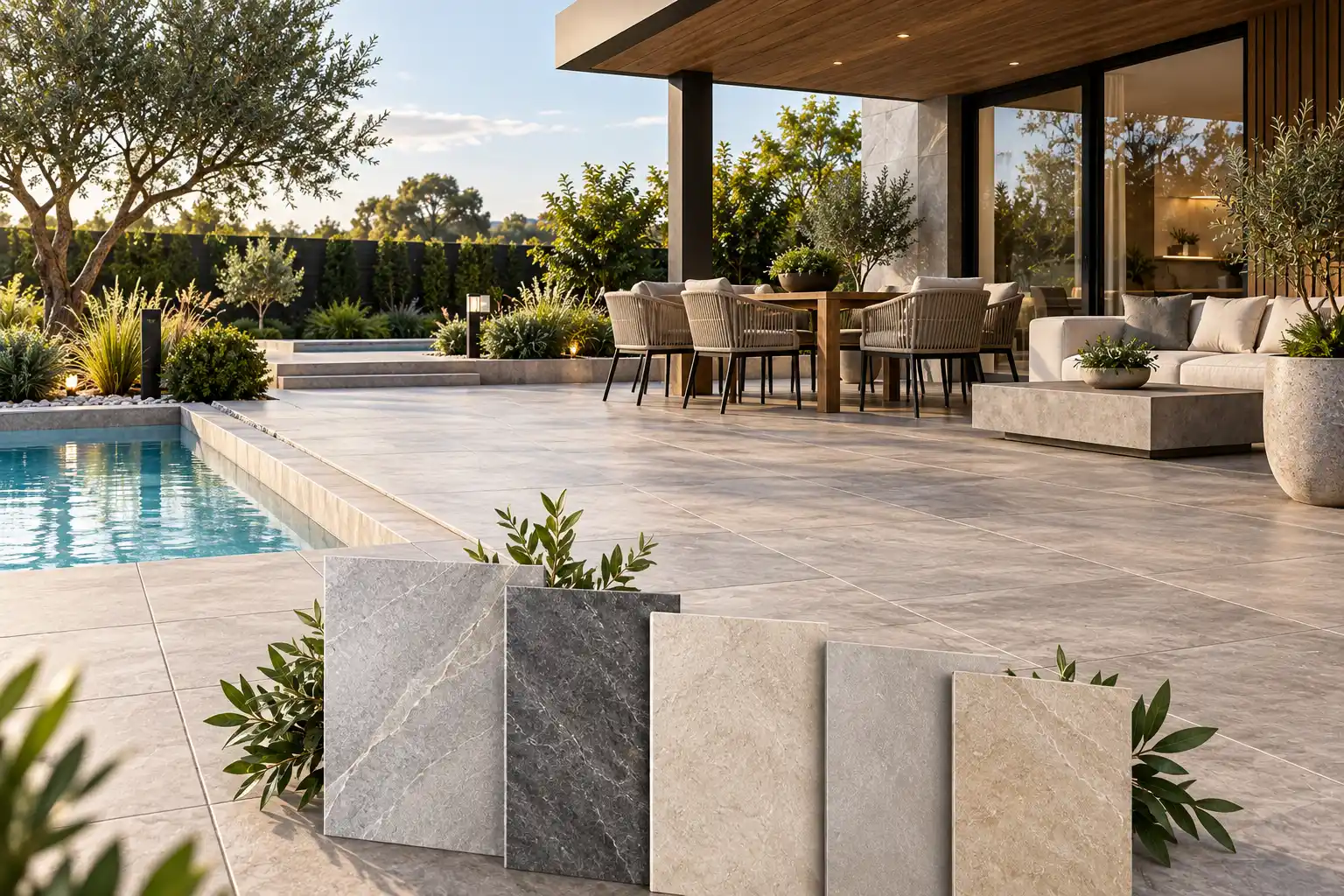
Stone-effect tiles create the appearance of natural stone while offering a range of colours and patterns. They can complement contemporary patios, traditional gardens and outdoor seating areas.
Textured surfaces can provide additional grip in outdoor environments. However, slip resistance varies by product, so check the manufacturer’s test results and suitability for the intended conditions.
Compare tile specifications, surface finish, dimensions and maintenance requirements before ordering. Always confirm that the product is suitable for the intended outdoor application and installation method.
Choosing outdoor tiles for a UK patio or garden involves balancing appearance with safety, weather suitability and maintenance. Trade buyers should assess the installation area before selecting a product.
Choose tiles rated for outdoor use and suitable for local conditions. Check frost resistance and water absorption to help ensure the product meets the project’s requirements.
Outdoor surfaces can become slippery when wet. Review the manufacturer’s slip-resistance information and select a finish appropriate for the intended use and exposure to rain.
Effective drainage helps prevent standing water on patios and garden surfaces. The base, slope and installation system should follow the relevant installation guidance.
Consider how tile colours, patterns and sizes work with garden furniture, planting and exterior features. Consistent finishes can help create a coordinated outdoor space.
Outdoor tiles can help create attractive, functional spaces for residential and commercial properties. Choosing products suited to the environment is essential for long-term performance.
Outdoor tiles are available in a range of colours, patterns and textures. This variety helps contractors coordinate patios with garden furniture, landscaping and exterior design features.
Many outdoor tile surfaces can be cleaned with suitable products and methods. Maintenance requirements depend on the material, surface texture and manufacturer’s guidance.
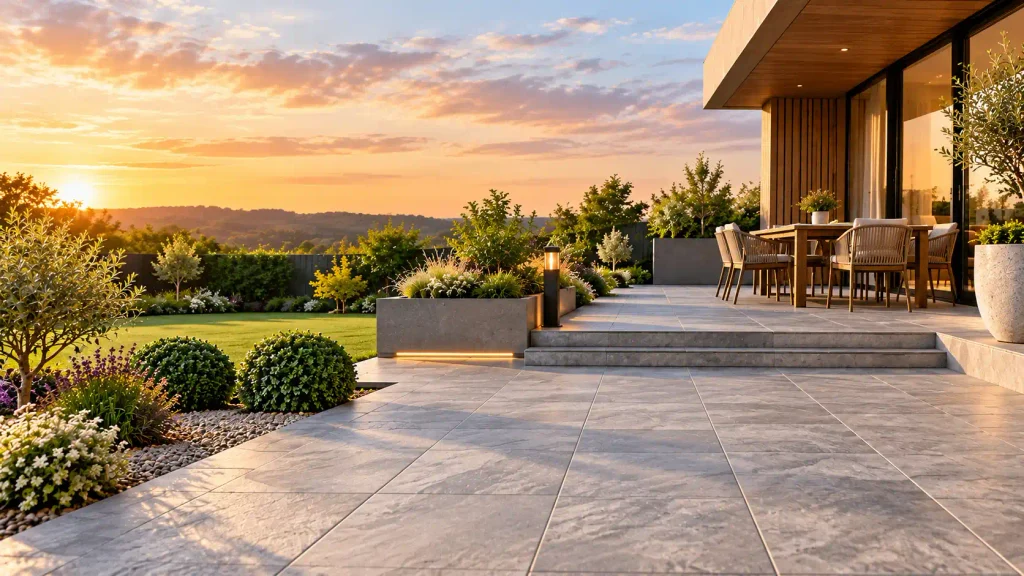
Stone-effect and contemporary finishes can suit different garden styles, from modern outdoor dining areas to traditional patios.
For busy outdoor areas, select tiles with specifications suited to expected foot traffic and weather exposure. Correct installation and drainage are also important for maintaining the finished surface.
Correct installation is essential for creating a stable, practical outdoor tiled surface. Before work begins, contractors should assess the ground conditions, drainage requirements and manufacturer’s installation instructions.
The base must be suitable for the selected tile and installation system. Ensure the substrate is stable, properly prepared and appropriate for the expected loads and outdoor conditions.
Select adhesives, grouts and other installation materials specifically recommended for exterior use and compatible with the chosen tiles. Follow the manufacturer’s guidance for application and curing times.
Plan the installation to help rainwater drain away rather than collect on the tiled surface. The required falls and drainage arrangements will depend on the site and installation system.
Follow the recommended joint widths and provide movement joints where required. These details help accommodate movement caused by temperature changes and other environmental conditions.
For trade projects, confirm the full installation specification before ordering materials or scheduling work.
When planning a patio or garden, outdoor tiles are one of several surface options available. Comparing materials helps trade buyers and contractors select a solution that suits the project’s design, budget and maintenance requirements.
Outdoor tiles offer a variety of colours, patterns and finishes, including stone-effect designs. Natural stone has its own variations in colour and texture. Compare durability, maintenance needs and installation requirements before making a decision.
Concrete paving is a common choice for patios and pathways. Outdoor tiles can provide a different finish, with options for contemporary and traditional garden designs. The best option depends on the desired appearance, site conditions and installation method.
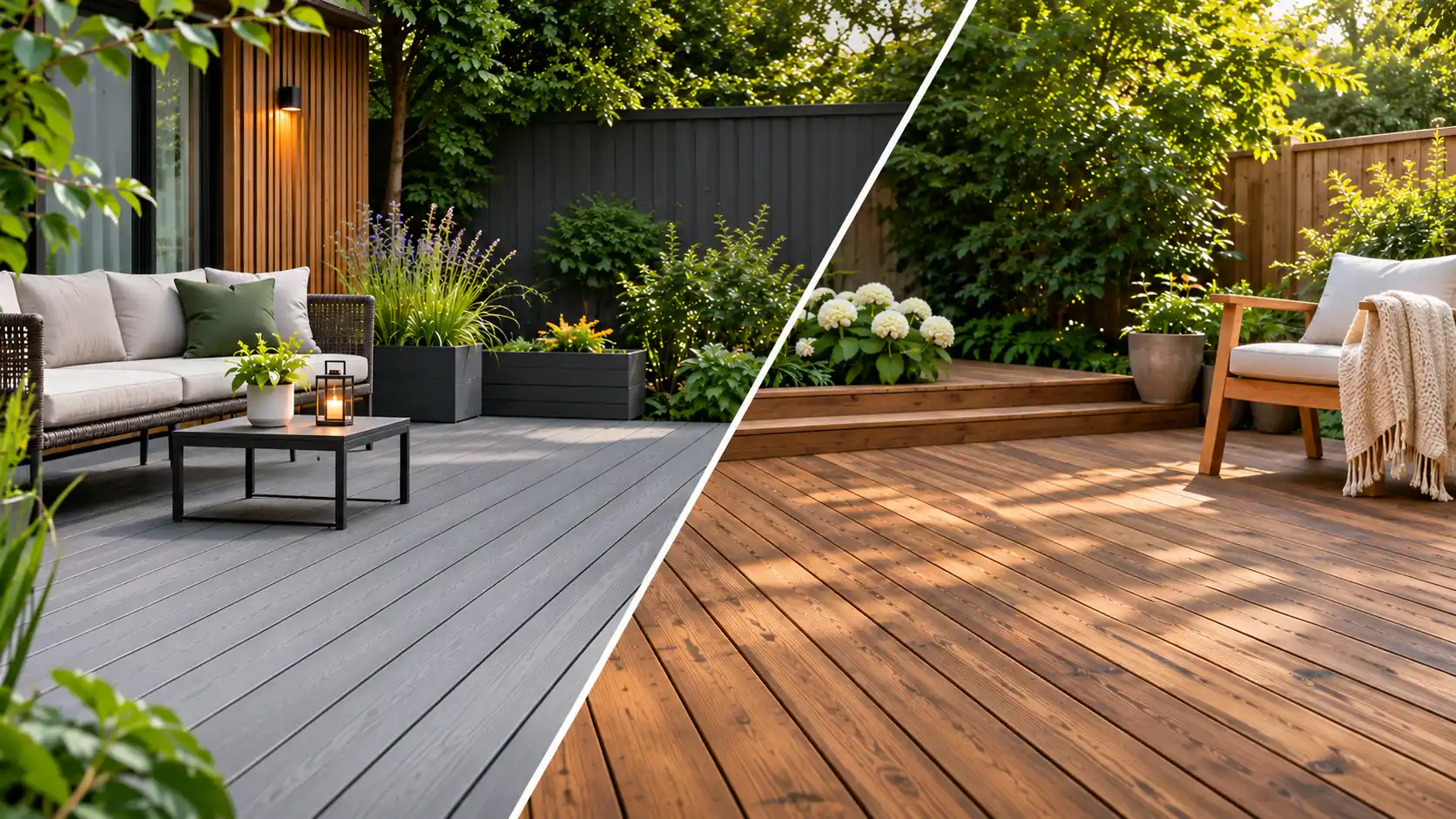
Decking creates a distinct outdoor look and can work well in garden seating areas. Outdoor tiles provide a solid tiled finish when installed on a suitable base. Consider drainage, maintenance, available space and the property’s overall design.
Before choosing a surface, compare the complete project cost, including preparation, installation materials and ongoing maintenance.
Regular maintenance helps keep outdoor tiled surfaces clean and presentable. The right cleaning routine depends on the tile material, surface finish and manufacturer’s recommendations.
Remove leaves, soil and other debris with a soft brush. Clean the surface using a suitable cleaning solution and follow the manufacturer’s instructions to avoid damaging the finish.
Shaded or damp areas may develop algae and surface deposits over time. Clean these areas when needed using products suitable for the tiles and surrounding materials.
Check grout lines, movement joints and surrounding edges periodically. Address any visible damage using suitable repair materials and the recommended installation guidance.
Keep drainage channels and nearby outlets clear of leaves and debris. Good drainage helps reduce standing water and supports the performance of the outdoor surface.
A simple maintenance schedule can help property owners and facilities teams identify issues early and keep outdoor tiled areas in good condition.
Choosing outdoor tiles based on appearance alone can lead to problems during installation and use. Trade buyers should check the product specifications and project requirements before placing an order.
Not every tile is suitable for outdoor conditions. Confirm frost resistance, water absorption and exterior suitability before selecting a product for a UK patio or garden.
A surface that becomes wet from rain may present a slipping risk. Review the manufacturer’s slip-resistance data and choose a finish appropriate for the intended location.
An unsuitable or poorly prepared base can affect the stability and performance of the finished surface. Check substrate requirements and installation guidance before work begins.
Measure the installation area carefully and calculate the required tile quantity. Allow extra material for cuts, edges and potential breakages, based on the layout and project requirements.
Compare more than the price per tile. Consider dimensions, finish, technical specifications, maintenance and installation costs to assess whether the product meets the project’s needs.
Reviewing these details before ordering can help trade buyers reduce avoidable delays and make more informed purchasing decisions.
For trade buyers, contractors, landscapers and property developers, selecting the right outdoor tiles involves balancing design, technical requirements and project budgets. A reliable product specification helps ensure that the tiles are suitable for the intended application.
Check the tile dimensions, finish, frost resistance, water absorption and slip-resistance information. Confirm that the product is suitable for the intended exterior environment before ordering.
Measure the project area and account for cuts, layout patterns and potential breakages. Request clear pricing and check product availability to help plan procurement and installation schedules.
For larger projects, confirm stock availability, delivery lead times and the quantity required for each phase. Ordering sufficient tiles from the same product batch, where possible, can help maintain a consistent appearance.
Choose a supplier that provides clear product information and can help you identify suitable options for your project. Reviewing specifications before purchase can support better decisions for residential and commercial landscaping work.
Explore the available products at GretaGrove and review the relevant product details before selecting outdoor tiles for your next project.
The best option depends on the installation area, weather exposure and intended use. Choose tiles specifically rated for exterior use and check frost resistance, water absorption and slip-resistance specifications.
For UK outdoor installations, frost resistance is an important consideration. Check the manufacturer’s specifications to confirm that the tiles are suitable for exposure to freezing temperatures.
Slip resistance varies between products and surface finishes. Review the manufacturer’s slip-resistance data and choose a suitable finish for areas exposed to rain.
Some outdoor tiles are suitable for garden pathways, provided the product, substrate and installation method meet the requirements of the location and expected foot traffic.
Remove debris regularly, clean tiles with suitable products and inspect grout lines and joints. Follow the manufacturer’s maintenance recommendations to protect the surface finish.
Measure the total area and calculate the quantity based on each tile’s coverage. Include extra tiles for cuts, layout requirements and potential breakages.
Selecting outdoor tiles for UK patios and gardens requires careful consideration of weather suitability, slip resistance, drainage, installation and maintenance. Comparing product specifications before ordering helps trade buyers and contractors make informed decisions.
Whether you’re planning a residential patio, a garden pathway or a commercial outdoor space, choose tiles suited to the intended application and follow the manufacturer’s installation guidance.
Visit GretaGrove to explore available products and find suitable options for your next project.