Choosing the right indoor tiles in the UK involves more than selecting a colour or design. Trade buyers need to consider the room, expected foot traffic, surface finish, maintenance requirements, and overall project budget before placing an order.
Whether you are sourcing tiles for residential renovations, rental properties or commercial interiors, understanding the available options can help you make informed purchasing decisions. This guide covers the main factors to consider when comparing indoor tiles for different projects.
First, let’s explore the main types of indoor tiles and how to choose the right option for your project.
Indoor tiles are surface coverings used on floors and walls in residential and commercial interiors. They are available in different colours, sizes, textures and finishes, allowing buyers to select products that suit the room’s design and practical requirements.
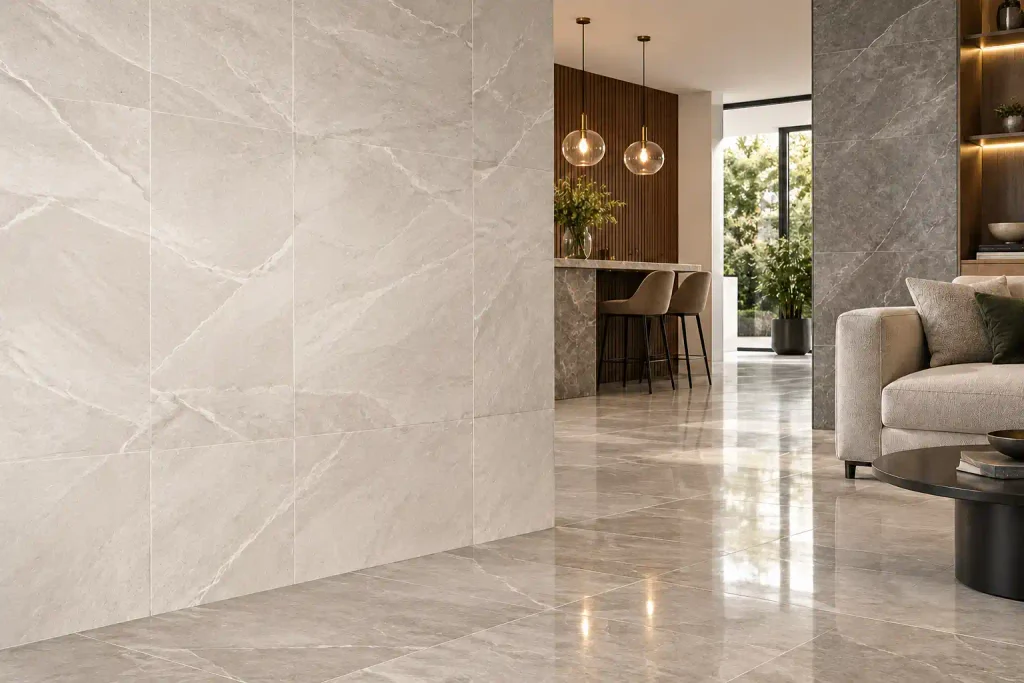
For UK trade buyers, choosing indoor tiles involves assessing the intended application, expected foot traffic, maintenance needs and installation conditions. The right choice should balance appearance with the performance required for the project.
Indoor tiles can be suitable for kitchens, bathrooms, hallways, living areas and selected commercial spaces. However, the tile’s material and finish should match the intended use, particularly in areas exposed to moisture or frequent foot traffic.
Before ordering, compare tile dimensions, surface finish, cleaning requirements and product specifications. Accurate measurements and early stock checks can also help contractors plan quantities and keep projects on schedule.
Explore the GretaGrove Indoor Tiles collection to discover available options for your next project.
Indoor tiles come in different styles and finishes to suit a range of interior projects. Trade buyers should compare appearance, maintenance requirements and product specifications before choosing a suitable option.
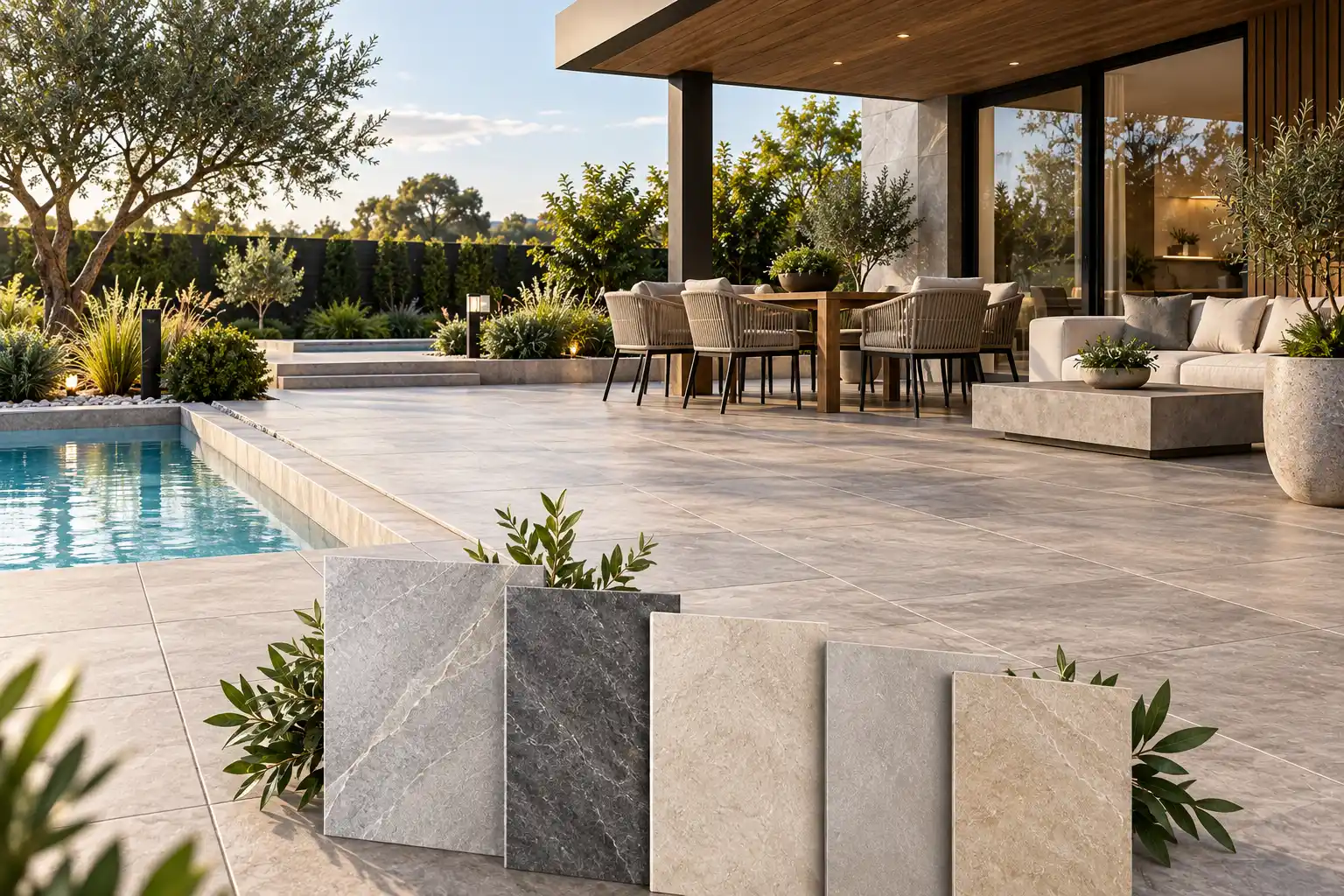
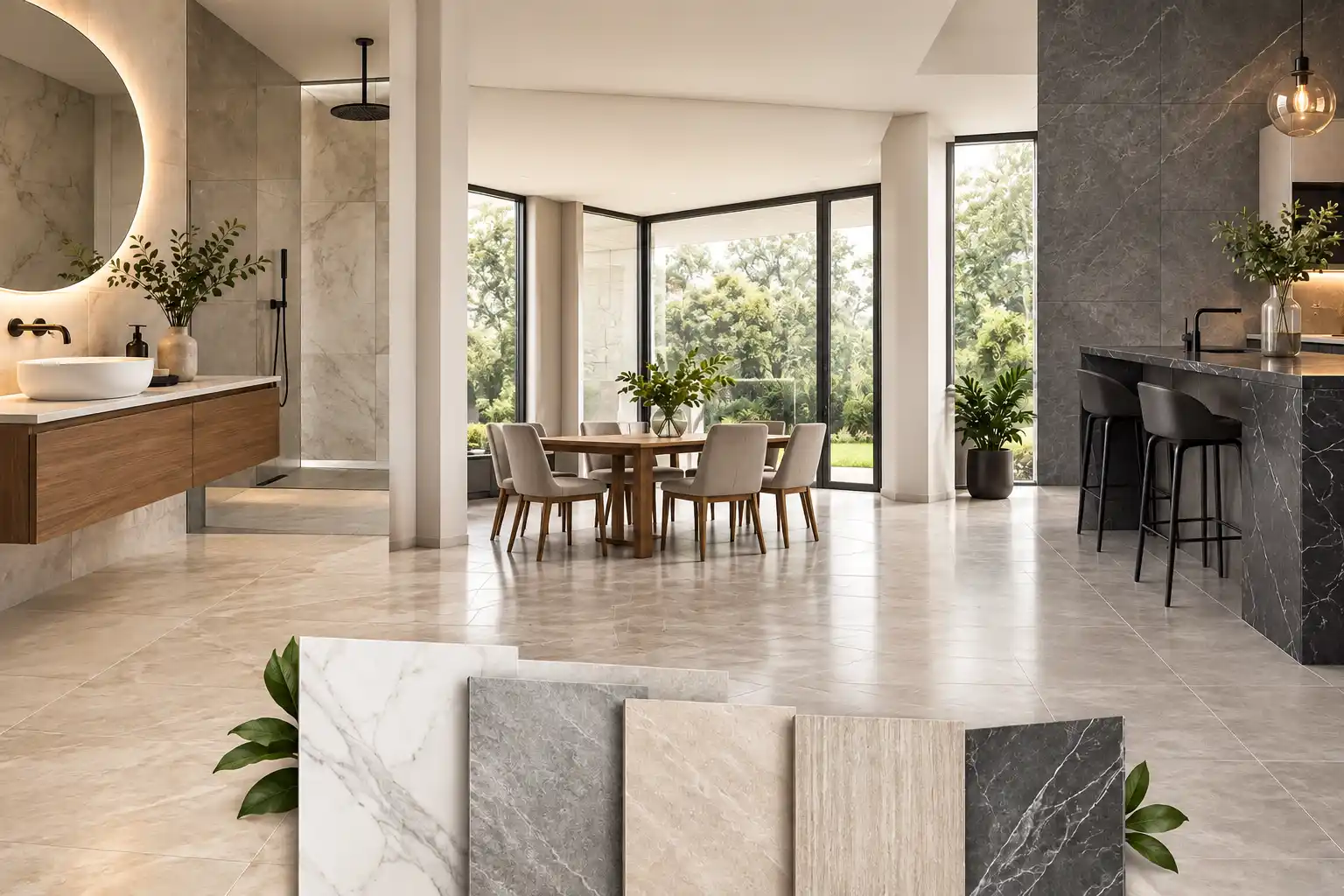
Natural-look tiles offer stone-inspired patterns and earthy colours for contemporary and traditional interiors. They can suit living areas, hallways and other spaces, depending on the product’s specifications.
Colour tiles provide options for creating distinctive interiors, from subtle tones to more prominent design features. They can help coordinate flooring or wall finishes with the wider interior scheme.
Crystal-finish tiles can introduce a decorative appearance through reflective or distinctive surface effects. Before selecting them, consider lighting, cleaning requirements and suitability for the intended application.
Compare tile appearance, dimensions, surface texture and maintenance needs against the project requirements. Always check the manufacturer’s specifications to confirm that the selected tiles are suitable for the intended floor or wall application.
Browse the GretaGrove Indoor Tiles collection to explore the available styles.
The best indoor tiles depend on the room’s purpose, moisture exposure and expected foot traffic. Trade buyers should match each tile’s specifications to the conditions of the installation area.
Kitchen tiles should be easy to maintain and suitable for regular cleaning. Consider the surface finish, resistance to everyday wear and the likelihood of spills when selecting products.
Bathrooms require careful tile selection because floors and walls may be exposed to moisture. Check slip resistance for floor tiles and confirm that the chosen products are suitable for wet environments.
For living areas and hallways, consider durability, appearance and cleaning requirements. Larger tiles may create a more continuous visual effect, while different colours and patterns can help define the interior style.
Offices, retail units and other commercial spaces may require tiles designed for higher foot traffic. Check the product’s performance specifications and applicable building requirements before ordering.
Tile size and surface finish can affect the appearance, maintenance and suitability of an interior. Trade buyers should compare these details with the room layout and project requirements before ordering.
Large-format tiles can create a more continuous appearance with fewer grout lines, while smaller tiles can suit detailed layouts and compact areas. Measure the installation space carefully and consider cutting waste when calculating quantities.
Glossy finishes can reflect light, while matt and textured finishes offer a different visual effect. The best option depends on the design and intended application.
Consider how tile colours and patterns coordinate with wall finishes, furniture and lighting. Neutral designs can provide flexibility, while decorative tiles can create a focal point.
Before placing an order, confirm the tile dimensions, finish, and suitability for the intended surface using the manufacturer’s product specifications.
Indoor tiles offer practical and design benefits for suitable residential and commercial interiors. Understanding these advantages helps trade buyers select products that meet project requirements.
Many tile surfaces are straightforward to clean with suitable products. Actual maintenance needs depend on the tile finish, grout, and the manufacturer’s care instructions.
Indoor tiles are available in different colours, patterns, sizes and finishes. This variety helps designers and contractors coordinate flooring and wall surfaces with different interior styles.
Some tiles are designed for areas with regular foot traffic. Check product performance specifications to ensure the selected tiles meet the demands of the intended space.
Considering maintenance, installation, and replacement requirements before ordering can help buyers plan project costs more effectively.
For trade projects, always compare product specifications rather than choosing tiles on appearance alone.
When choosing flooring for an interior project, trade buyers should compare tiles with alternatives such as SPC flooring and laminate flooring. Each option has different installation, maintenance and performance requirements.
The right flooring depends on the room, expected foot traffic, budget and maintenance requirements. Consider installation costs and product specifications alongside appearance before making a decision.
For more information, read our guide to SPC flooring in the UK to compare another popular flooring option.
Accurate tile measurements help trade buyers estimate material requirements, control waste and plan installation costs. Calculate the area before ordering and check the coverage of each tile.
Measure the length and width of the floor or wall. For a rectangular area, multiply the length by the width to calculate the total area in square metres.
Confirm the dimensions and coverage of each tile from the product specifications. Use this information to estimate how many tiles are required for the measured area.
Order additional tiles to account for cuts, corners, complex layouts and potential damage. The amount required depends on the room shape and installation pattern.
For larger projects, check product availability and ensure enough tiles can be sourced to complete the installation. Keeping spare tiles can also help with future repairs.
Choosing indoor tiles without checking the project requirements can lead to unnecessary costs and installation delays. Trade buyers should review these key points before ordering.
Review the manufacturer’s specifications and installation guidance before finalising your selection. Careful planning helps ensure the tiles meet the project’s practical and design requirements.
Choosing a suitable indoor tile supplier in the UK helps trade buyers source products that meet their design, performance and project requirements.
For larger projects, confirm that sufficient stock is available to complete the work with a consistent finish. Reviewing product details before ordering can also help reduce avoidable delays.
Explore the GretaGrove Indoor Tiles collection to compare available options for your next project.
Choose tiles with performance specifications suited to the expected foot traffic. Check the manufacturer’s guidance on durability, maintenance and intended use before ordering.
Yes, suitable tiles can be used in bathrooms. Check slip resistance for flooring and confirm that the selected tiles are appropriate for areas exposed to moisture.
Measure the installation area in square metres, check the coverage of each tile and allow extra material for cuts, waste and potential damage.
Large-format tiles can create a more continuous appearance with fewer grout lines. However, the best size depends on the room layout, substrate and installation requirements.
Explore the GretaGrove Indoor Tiles collection to compare available styles and finishes for your project.
Choosing the right indoor tiles in the UK means balancing design, performance, maintenance and project requirements. Consider the room, tile finish, dimensions and installation needs before placing an order.
For trade buyers, checking product specifications, stock availability and material quantities can help keep projects on schedule.
Explore the GretaGrove Indoor Tiles collection to find suitable options for your next residential or commercial project.